When Lava Meets the Sea
The Body as a Living Shoreline
Mike O'Connor
12/15/20253 min read
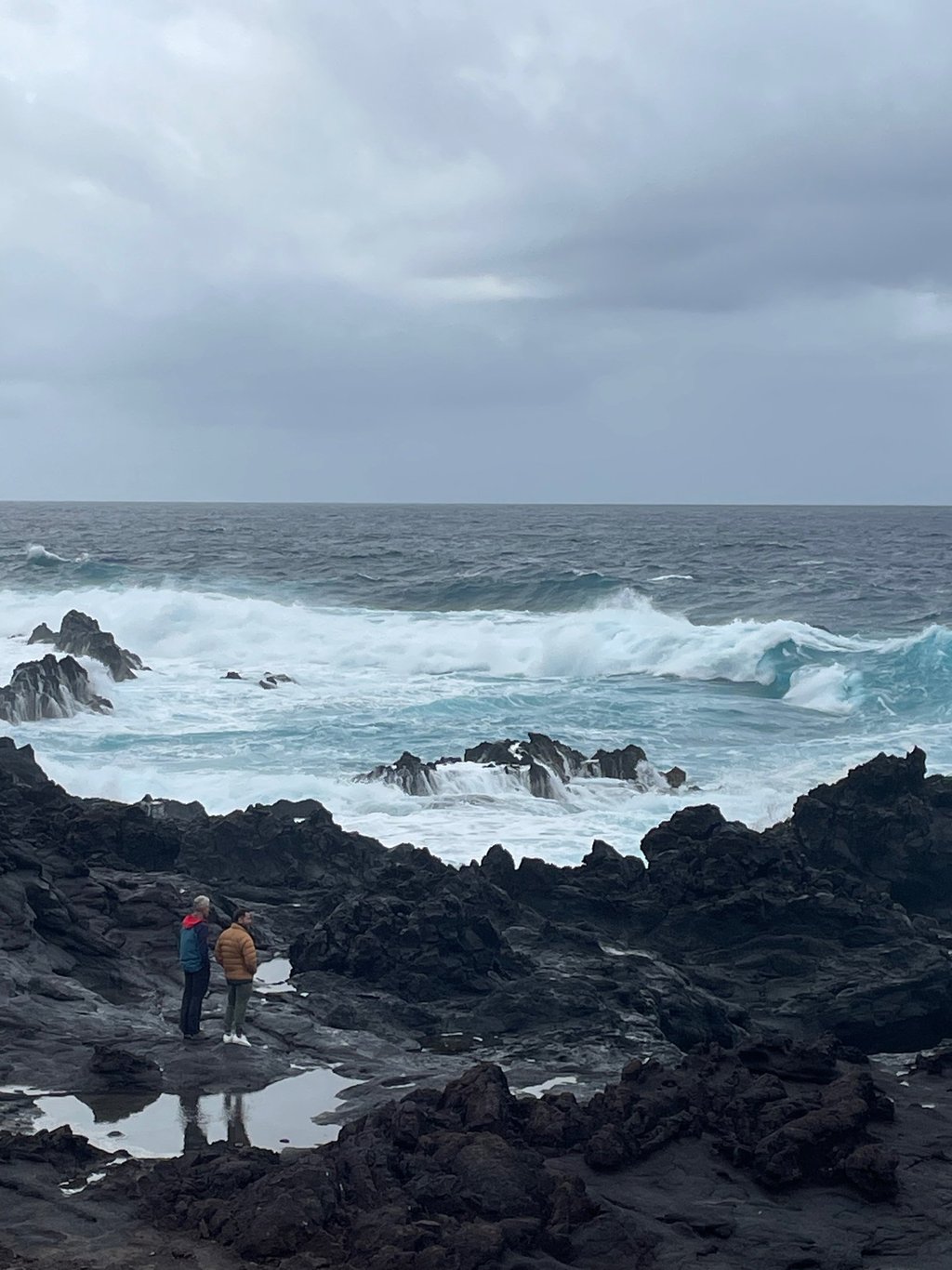
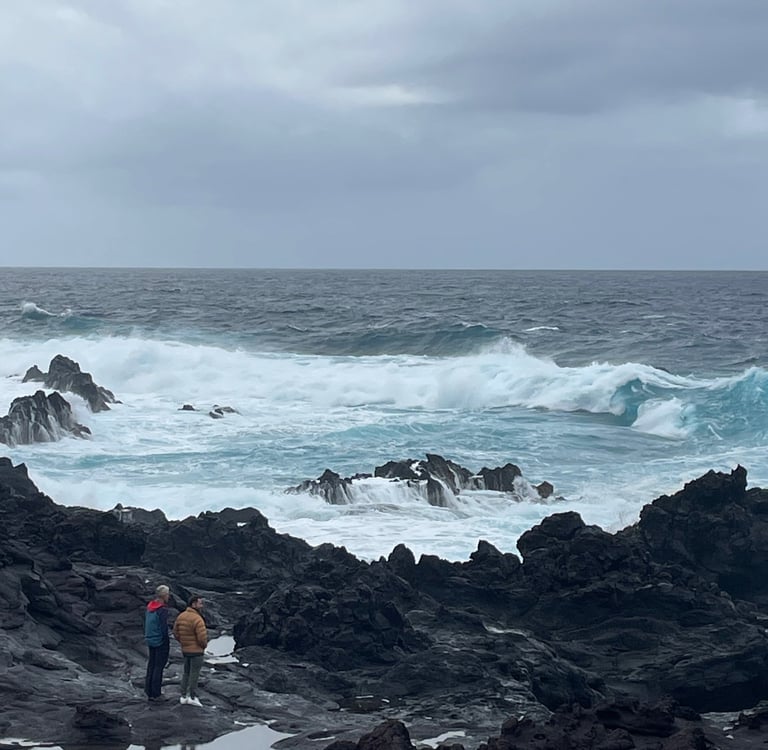
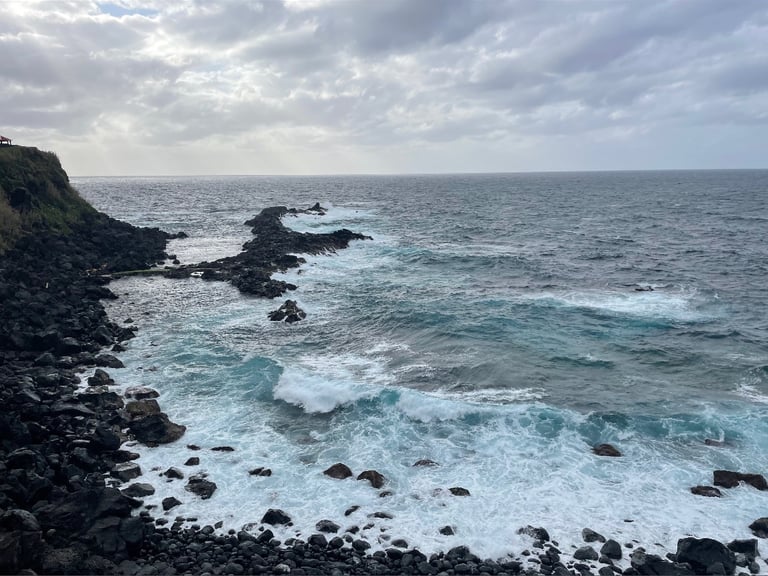
When I read the plaque—“When the lava reached the sea”—I stopped. It said that the force of the waves and salt shapes the different types of lava rock that form along the coast. I imagined the collision: black stone meeting the endless movement of water, the sharp rock softened and reshaped over time. It’s an image of impact, but also of patience.
The thought stayed with me. The waves are not gentle. They crash, pull, and return. The rock holds steady until it doesn’t. The sea chips at it, smooths it, carves it into something new. And I thought of the body—how it too stands against what hits it. How we keep form until an experience arrives with such force it changes us.
Our Inner Landscapes
When I saw that line about lava meeting the sea, I thought immediately of trauma. Of what happens when something powerful strikes the body so deeply that we lose access to who we were before. The surface cracks, the shape shifts. We become unfamiliar to ourselves. One definition of trauma is no longer having access to our authentic selves. But just as the coastline doesn’t stop existing when its edges break away, we don’t disappear when we are altered. We change form.
In Hawaiian cosmology, the meeting of lava and water is not destruction. It’s birth. New land comes from the encounter, from the heat and salt that refuse to separate. That understanding feels closer to how healing might work. Not by going back, but by meeting what has happened and letting it reshape us.
Trauma reorganizes the body. The nervous system learns to brace for the next wave, even when the sea is calm. The work, then, is not to become unbreakable—it’s to stay responsive. To learn the difference between being eroded and being re-formed. In somatic work, I see how this happens slowly: breath by breath, someone begins to feel again where they had gone numb. A shoulder loosens. The ground under them feels like ground again.
Outer Landscapes as Visual Metaphors
The sea does more than break the rock. It cleans it. The waves carry away algae, salt, debris. They make space for what’s underneath to be seen. Maybe that’s what healing is: not recovering the old shape, but letting the water (new experiences) reveal the surface again. Our self emerges where experiences meet the body, like the coastal landscapes is where land meets water. A specific, dynamic terrain is formed there. Our inner world is complex with past debris and present experiences.
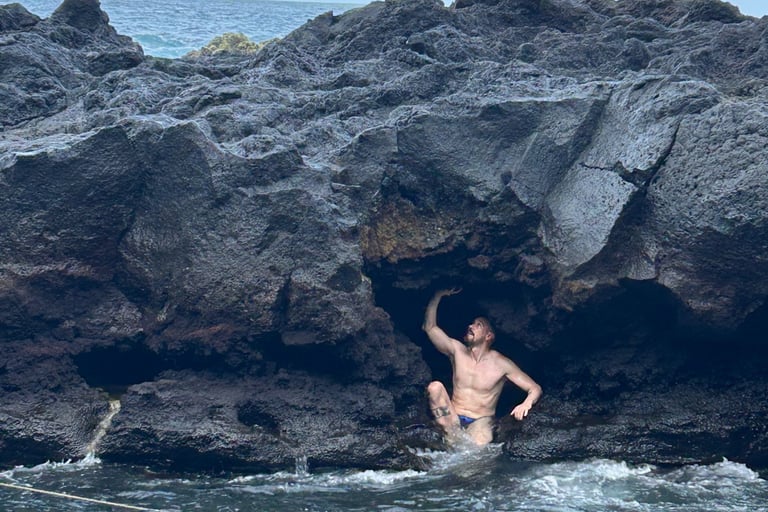
The coast is always becoming. So are we. The place where water meets land is the same place where body meets world, where experience meets self. The edge of authenticity, not fixed but alive, always being made. In this way, I felt this edge to be beautiful. The edge where water and land meet, like body and experience, create a moving, changing 'thing'. It is not stuck. The space where we recognize trauma, is also the space where we recognize change. The place where our authenticity was paused, is the place where we soften. Standing there on the coast, I felt a sense of admiration for nature to allow change.